Moving over to Euro-VI is a disruption but well worth the effort
In 2010, India adopted Bharat Stage-III fuel with a sulphur content of 350 ppm. This was reduced to 50 ppm by 2017, and now to just 10 ppm. In comparative terms, BS-VI fuel emission standards are as good as CNG!! The reduction in NOx for BS-VI is 25% in petrol cars and 70% in diesel cars. The absence of so much sulphur and NOx will make people breathe a little easier and feel a little happier. But, the switch from Euro-IV to Euro-VI in just 3 years, is a momentous feat not seen in India or any other major economy.
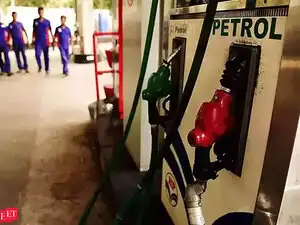
Indian Oil Corp (IOC) which controls roughly half the fuel market, said almost all the refineries began producing ultra-low sulphur BS-VI petrol and diesel by the end of 2019. This means the same has reached storage depots and will flow from all petrol stations in time for April 1st, 2020.
Sanjiv Singh, the Chairman says great care was taken so that every drop of old, higher-sulphur fuel was flushed out in depots, pipelines and tanks before being replaced by BS-VI. He is confident of disruption-free switchover across the country and says the quality of the fuel is as good, or better than anywhere in the West.
Besides oil refineries, it was a herculean effort for auto manufacturers to redesign engines best suited for BS-VI. Yet, both avoided making the investments twice over by skipping one intermediary stage. For example, IOC spent about Rs 35,000 crore on the current upgrade but spent Rs 60,000 crore on two previous switchovers. "It was a conscious decision as otherwise, it would have prolonged the journey by 4 to 6 years."
Preponed supply to the National Capital Region
Originally, Delhi and its adjoining towns were to have BS-VI fuel supplies by April 2019 and the rest of the country from April 2020. But oil marketing companies made the switch to BS-VI grade fuels in Delhi on April 1, 2018. This was extended to 4 contiguous districts of Rajasthan and 8 districts in UP on April 1, 2019, together with the city of Agra; and to 7 districts of Haryana from October 1, 2019.
Previous upgrades and reduction in pollution 1. Low lead petrol was introduced in different parts of the country in phases btw 1994 to Feb 2000. Lead content was progressively eliminated.
2. Octane reduction due to lead removal was made up by installing new facilities in refineries. The RON number (for octane presence) was increased to 88 in BS-1 and 91 later.
3. BS-1 & BS-2 norms were introduced for new vehicles from April 2000 to 2001 in metros. Benzene content was reduced in stages from 5% to 1% nationwide.
4. Cleaner ethanol and methanol blends were pursued from the 2000s.
5. Particulate Matter (PM), a major pollutant from old diesel vehicles, will be reduced in BS-VI fuel. India switches over to the cleanest petrol and diesel