Trump and what US is doing with Pakistan and others
-------------------------------------------------------------------
Trump is transactional and has a sharp focus on increasing US economy and meeting military objectives. He has bullied quite a few countries, ranging from close allies, near-friends and rivals. In trade, he has taken on NAFTA countries like Mexico and Canada and large countries like China, India, Japan and the European Union. For the military purpose, he has cajoled with distractors like North Korea and Russia. Iran is the enemy, mainly because of its support for Hamas and treated like that. If Iran proves too difficult to bully, it could slide into no-mans-land like North Korea, Russia and China.
Pakistan and Turkey fall in-between the enemy and distractor, if you go by what Pakistan has done to US in Afghanistan and Turkey has done in Syria. As "enemies", Pakistan and Turkey have been distanced and penalised, but never threatened. As distractors, Pakistan has been cajoled or listen to and indulged. US is ready to work with or transact with Pakistan on Afghanistan, and Turkey on Syria.
Pakistan has been a US child for more than 60 years, that has grown up, gone astray and kept different company for a while. Turkey is a NATO ally. Thus, a reconnect with both countries can to be expected at any time. Currently, there is a give and take offered by Pakistan, due to Pakistan's immediate compulsions and accepted by US. Both, I might add understand the past, but are playing up the present and not hoping much for the future.
Obviously, Pakistan will do what US wants in the present, for which monies will change hands. The future may not even be discussed, but it goes without saying that if Pakistan keeps doing what it is been told to do in the future for which monies will change hands, then there will a strong reset to the relationship.
India under PM Modi has had a single-point focus on improving all parameters of India's well-being, improving external relationships for trade and mutual benefits, retaining friendly relations and isolating Pakistan for sponsoring terrorists. US had asked for a range of benefits, which clearly were not possible. US-India relationship had many aims such as greater defence cooperation, procurement of US arms, business & technology sharing, and coordination in the international bodies and on foreign policy wrt Pakistan, Afghanistan, China, etc.
The US detente with Pakistan is an opportunity for India and US to do what they want with no expectations from the other side. India can go with defence deals with Russia & France, oil deals with Iran, beating up Pakistan, Make in India tariffs, data localisation rules, stricter e-commerce rules, tax on FPI trusts, stricter scrutiny of foreign funding, etc while US can engage with Pakistan, hike tariffs on India exports, etc.
Sunday, July 21, 2019

Saving water in Agriculture
======================
Water is a scarce resource in India, and Economic survey predicts this will become a water crisis by 2050. Although 89% of the total water is used for agriculture (6% for domestic, 5% for industry), even in agriculture, there are shortages and loss of crop productivity as a result. India has drinking water issues, as only 18% or 32.7m out of 178.7 m rural households have access to piped drinking water. To complete govt's drinking water mission, the ministry must commandeer large number of reliable sources of good quality water.
Govt recognises that water conservation needs to be inculcated into the public's behaviour. It is encouraging traditional methods for storing water such as ponds and for recharging ground water such as rainwater harvesting. Besides industry and municipalities which have been told to treat and recycle wastewater, govt is now focused on making agriculture more accountable for water overuse. The options are water conservation by micro-irrigation, avoidance of flood irrigation, water-preserving planting techniques, drought resistant and early-maturing crops varieties, better farming yields of paddy and sugarcane, etc to reduce the sown area, switching away from said crops in water-stressed regions, and financial incentives to optimise water usage.
Economic survey states that 89% of ground water extraction is used for irrigation, and 60% of irrigation water is used for paddy rice and sugarcane. It points out that paddy water use is very inefficient compared to China, eg. China uses 300-400 litres/kg of paddy rice, whereas India uses 5,600 litres/kg!! India consumes less water in sugarcane production compared to the global average, but it can do better.
For example, farmers in Maharashtra are compelled to use drip irrigation for sugarcane production, and this reduces water use and improves sugar yields! Punjab govt is giving cash incentives for not using electricity, thereby optimising ground water extraction. In China, high yielding rice has dramatically cut the area grown for paddy and the water used to make the same quantity of paddy.
Government eyes reduction in farm water use
======================
Water is a scarce resource in India, and Economic survey predicts this will become a water crisis by 2050. Although 89% of the total water is used for agriculture (6% for domestic, 5% for industry), even in agriculture, there are shortages and loss of crop productivity as a result. India has drinking water issues, as only 18% or 32.7m out of 178.7 m rural households have access to piped drinking water. To complete govt's drinking water mission, the ministry must commandeer large number of reliable sources of good quality water.
Govt recognises that water conservation needs to be inculcated into the public's behaviour. It is encouraging traditional methods for storing water such as ponds and for recharging ground water such as rainwater harvesting. Besides industry and municipalities which have been told to treat and recycle wastewater, govt is now focused on making agriculture more accountable for water overuse. The options are water conservation by micro-irrigation, avoidance of flood irrigation, water-preserving planting techniques, drought resistant and early-maturing crops varieties, better farming yields of paddy and sugarcane, etc to reduce the sown area, switching away from said crops in water-stressed regions, and financial incentives to optimise water usage.
Economic survey states that 89% of ground water extraction is used for irrigation, and 60% of irrigation water is used for paddy rice and sugarcane. It points out that paddy water use is very inefficient compared to China, eg. China uses 300-400 litres/kg of paddy rice, whereas India uses 5,600 litres/kg!! India consumes less water in sugarcane production compared to the global average, but it can do better.
For example, farmers in Maharashtra are compelled to use drip irrigation for sugarcane production, and this reduces water use and improves sugar yields! Punjab govt is giving cash incentives for not using electricity, thereby optimising ground water extraction. In China, high yielding rice has dramatically cut the area grown for paddy and the water used to make the same quantity of paddy.
Government eyes reduction in farm water use
Ways to improve PULSES Production and Farmers' incomes
============================================
Pulses provide low returns per hectare, but higher pulses production means improved soil fertility, reduced malnutrition and import substitution. Profitability can be achieved by incentivising production and improving productivity of existing cultivations, as well as growing pulses in vacant rice fallows (or crop fallows) as a second crop of the year.
Incentivise higher production by higher MSPs and higher pulses procurement for PDS: eg. higher production during 2017-18 (a record 23.2mt, up 2mt) reduced imports in next 9mo from 5mt to 1.8mt. But release of stocks below MSP led to a reduction in acreage devoted to pulses. Cultivate pulses in rice fallows
Improve productivity (high-yielding seeds and better technologies) & Reduce yield variations (drought tolerant varieties, irrigation and better technologies)
Area expansion to rice or crop fallows, where they can enhance farmers' incomes for a little extra water. Commission for Agricultural Costs and Prices (CACP) has identified 8.5 mHa of rice fallows for growing pulses, and most are found in East and Central India: 5 mHa is found in Chhattisgarh & Odisha (3 mHa), Assam (1 mHa) and West Bengal (1 mHa). Cultivate pulses in rice fallows
Is Area expansion in rice fallows possible?
Pulses contain 20 – 25% vegetable protein, which is nearly 2-3 times the value generally found in cereals. Pulses production must be further increased as despite the increase in recent years, the per capita availability at 33 g/person/day is well below recommended levels. What of the 11.7 mHa of unutilised rice fallow for enhancing pulses? Pulses are complementary to rice cultivation due to their nitrogen fixing properties and low water consumption.
Some factors to consider are soil moisture content, use of suitable crops & varieties, eg. short duration pulses such as lentils, grass seeds and chickpeas, and factors such as annual variation in rainfall, socio-economic (willingness to adopt, cost factors) and ecological (soil, pests, weeds, impact of other crops). In West Bengal, a study found 60% of selected rice fallows were suitable or moderately suitable for growing lentils. http://repo.mel.cgiar.org/handle/20.500.11766/7772
Relay/para-cropping /utera cropping is widely practised on cultivated rice fallows and is responsible for poor pulses yields: Seeds of succeeding crops like lentil, gram, pea, lathyrus, berseem, linseed etc. is sown broadcast in maturing, standing rice crop. This practice saves time and money (spent on land preparation etc.), utilizes residual fertility and moisture and is common in both upland (ie. under severe water deficiency) and lowland rice cultures.
Zero tillage method of cropping: Farmers in NE India are unable to grow a second crop on rice fallows because the post-rice growing period is short, there is water scarcity and lack of irrigation facilities to sustain a second crop, and because of high incidence of pests and diseases in the post-rice crops.
Zero tillage helps in timely sowing (October-November), conserves soil moisture, requires less water, saves tillage cost and time, protects soil from erosion due to the retention of surface residues and reduces organic matter depletion.
Field trials have shown that farmers who adopted zero tillage had increased productivity & reduced cost of cultivation (of rice), increased cropping intensity and earned an additional income with less effort. The improved version of this zero tillage cultivation with bee pollination and no chemical method of plant protection may be recommended to the resource poor farmers of the NE in the context of climate change. Zero tillage in rapeseed in rice fallows: ICAR
Efforts to enhance yield and increase survivability in rice-fallows
1. It is recommended that farmers use Zero tillage method with 1/3rd rice residue retention at harvesting. They should use healthy seeds and pest resistant cultivars.
2. New pulse varieties - early maturity is vital as it reduces crop duration and thus minimises crop loss at mid-season or terminal stages due to water deficiency.
3. New pulses varieties - should be not only high yielding but drought-tolerant, and suited for surface seeding (best for rice fallows). Ideally varieties should be amenable to mechanical harvesting. Research is ongoing for this.
4. As soil tends to be poor in N, P, Mo, Zinc, it is useful to add nutrients (2% urea/ DAP) and micro-nutrients, eg. perform pelleting of seeds with super phosphate and rhizobium culture and apply Molybdenum through seed priming.
5. Weeds are very likely due to water-logging in rice cultivation. Special chemical herbicides are used as under relay cropping, the standing rice crop can get affected by commonly used chemicals. Rice ratoons (re-growth of rice stubbles) is a threat to pusles as it uses scarce soil nutrients and moisture. Chemicals are needed to control this, eg. quizalofop-ethyl 100 g/ha, used at 15-20 days after pulses sowing.
https://www.researchgate.net/publication/329886836_Growing_Pulses_in_Rice_Fallow_Ensuring_Nutritional_Security_in_India
Incentivise higher production by higher MSPs and higher pulses procurement for PDS: eg. higher production during 2017-18 (a record 23.2mt, up 2mt) reduced imports in next 9mo from 5mt to 1.8mt. But release of stocks below MSP led to a reduction in acreage devoted to pulses. Cultivate pulses in rice fallows
Area expansion to rice or crop fallows, where they can enhance farmers' incomes for a little extra water. Commission for Agricultural Costs and Prices (CACP) has identified 8.5 mHa of rice fallows for growing pulses, and most are found in East and Central India: 5 mHa is found in Chhattisgarh & Odisha (3 mHa), Assam (1 mHa) and West Bengal (1 mHa). Cultivate pulses in rice fallows
Is Area expansion in rice fallows possible?
Pulses contain 20 – 25% vegetable protein, which is nearly 2-3 times the value generally found in cereals. Pulses production must be further increased as despite the increase in recent years, the per capita availability at 33 g/person/day is well below recommended levels. What of the 11.7 mHa of unutilised rice fallow for enhancing pulses? Pulses are complementary to rice cultivation due to their nitrogen fixing properties and low water consumption.
Some factors to consider are soil moisture content, use of suitable crops & varieties, eg. short duration pulses such as lentils, grass seeds and chickpeas, and factors such as annual variation in rainfall, socio-economic (willingness to adopt, cost factors) and ecological (soil, pests, weeds, impact of other crops). In West Bengal, a study found 60% of selected rice fallows were suitable or moderately suitable for growing lentils. http://repo.mel.cgiar.org/handle/20.500.11766/7772
Relay/para-cropping /utera cropping is widely practised on cultivated rice fallows and is responsible for poor pulses yields: Seeds of succeeding crops like lentil, gram, pea, lathyrus, berseem, linseed etc. is sown broadcast in maturing, standing rice crop. This practice saves time and money (spent on land preparation etc.), utilizes residual fertility and moisture and is common in both upland (ie. under severe water deficiency) and lowland rice cultures.Zero tillage method of cropping: Farmers in NE India are unable to grow a second crop on rice fallows because the post-rice growing period is short, there is water scarcity and lack of irrigation facilities to sustain a second crop, and because of high incidence of pests and diseases in the post-rice crops.
Zero tillage helps in timely sowing (October-November), conserves soil moisture, requires less water, saves tillage cost and time, protects soil from erosion due to the retention of surface residues and reduces organic matter depletion.
Field trials have shown that farmers who adopted zero tillage had increased productivity & reduced cost of cultivation (of rice), increased cropping intensity and earned an additional income with less effort. The improved version of this zero tillage cultivation with bee pollination and no chemical method of plant protection may be recommended to the resource poor farmers of the NE in the context of climate change. Zero tillage in rapeseed in rice fallows: ICAR
Efforts to enhance yield and increase survivability in rice-fallows
1. It is recommended that farmers use Zero tillage method with 1/3rd rice residue retention at harvesting. They should use healthy seeds and pest resistant cultivars.
2. New pulse varieties - early maturity is vital as it reduces crop duration and thus minimises crop loss at mid-season or terminal stages due to water deficiency.
3. New pulses varieties - should be not only high yielding but drought-tolerant, and suited for surface seeding (best for rice fallows). Ideally varieties should be amenable to mechanical harvesting. Research is ongoing for this.
4. As soil tends to be poor in N, P, Mo, Zinc, it is useful to add nutrients (2% urea/ DAP) and micro-nutrients, eg. perform pelleting of seeds with super phosphate and rhizobium culture and apply Molybdenum through seed priming.
5. Weeds are very likely due to water-logging in rice cultivation. Special chemical herbicides are used as under relay cropping, the standing rice crop can get affected by commonly used chemicals. Rice ratoons (re-growth of rice stubbles) is a threat to pusles as it uses scarce soil nutrients and moisture. Chemicals are needed to control this, eg. quizalofop-ethyl 100 g/ha, used at 15-20 days after pulses sowing. https://www.researchgate.net/publication/329886836_Growing_Pulses_in_Rice_Fallow_Ensuring_Nutritional_Security_in_India
Activating Rice fallows in Eastern India
=========================
Rice is grown in Kharif in Eastern India in 26.8 mHa, or 67% of total rice acreage. About 11.7 mHa remains fallow in the rabi or winter season. The unutilised lands are amenable to growing pulses and oilseeds, which in turn can reduce or even eradicate poverty and malnutrition in the region. According to this article, around 4 mHa can be brought into production (3 mHa pulses, 1 mHa oilseeds), with suitable policy interventions. Short duration crops like pulses (Chickpeas, Lentils, Lathyrus, moong beans, urad beans) and oilseeds (safflower, linseed, mustard) can be grown successfully, with life-saving irrigation. The choice of crop will depend on soil properties, among others.
Scientists are working on how to "alleviate location specific constraints":
1. Extra early-duration and drought tolerant varieties of pulses and oilseeds are vital
2. Careful selection of crops and cropping patterns
3. Adoption of improved farming techniques - that aims to preserve soil moisture and reduce abiotic stress.
https://www.researchgate.net/publication/332343129_Rice_fallows_in_the_eastern_India_Problems_and_prospects
Outline of agriculture and rice fallows in E. India
===========================
Eastern India is 22% of total geographical area of the country, has 38% of the total national population and produces 34.6% of total national food. There is enough rainfall at 1100-1200mm per annum, but cultivated land is only 45% of total or 33.6 mHa, with lower crop intensity (from 115-170%). As a result, per capita accessibility of cultivated land is the lowest (0.15 ha) in the country. Agriculture is much below its potential and so mass of people stay below poverty and have malnutrition.
Rice monocrop is widely practiced in Eastern state (82%) such as Chhattisgarh, Jharkhand, Upper Assam, Bihar, Eastern Uttar Pradesh, Odisha and West Bengal. Rice is grown for 180-210 days extending to more than 240 in WB! As there is little time & rains left for the winter crop, rice fallows are best suited for short duration (< 3 months) and low water-consuming rabi crops. Grain legumes and oilseeds are ideal as they can also improve soil health.
Why make a change (ie crop intensification)?
i) higher demand for food, and shortage of pulses and oilseeds
ii) lack of cropping area elsewhere
iii) need for higher farmers' incomes and diversification of incomes
iv) improvement in soil fertility due to nitrogen fixing
v) higher local fodder availability in rabi season will support livestock farming
Reasons for not using rice fallows (ie. vacant rabi season)
i) lack of irrigation & early withdrawal of monsoon causes moisture stress (rapid loss of soil moisture)
ii) late harvesting of rice (long-duration, high yielding rice varieties used)
iii) waterlogging and excessive moisture in Nov/ Dec
iv) stray cattle and blue bulls
v) series of abiotic and biotic stresses incl. poor soil structure
Summary: Lack of irrigation facilities and poor soil moisture retention cause severe abiotic constraints and are the main limiting factor in cultivating rice fallows. Soil compaction due to puddle rice cultivation badly alters the physical properties of soil which adversely affects soil moistures, seed-soil contact and root growth of a rabi crop. Ploughing dries out the soil even more. Many lowland regions have adequate soil moistures for growing lentil and lathyrus, and other pulses & oilseed.
Narrative: Much spatial and temporal variation is found in the rainfall pattern and water distribution - which leads to volatility in the farming. Rice is transplanted using puddle method, but this compacts the soil (ie. reduces macro-pores, which stops water percolation and increases evaporation), that frequently dries out and cracks by end of Kharif season. So there is not enough soil moistures for support the winter crops. Ploughing of these soils creates big clods (due to soil hardness) that dries the soil, slows seed germination, restricts root growth and decreases yields of the winter crop. Farmers are not able to afford irrigation and fertilizers expenses for rabi crop. Thus, a rabi crop in rice fallows must use existing (or residual) soil moisture & nutrients more efficiently (eg zero-tilling method). Conventional rice-pulse relay systems being practiced in Odisha, WB, Chhattisgarh and Jharkhand is not conducive to good pulses yields.
=========================
Rice is grown in Kharif in Eastern India in 26.8 mHa, or 67% of total rice acreage. About 11.7 mHa remains fallow in the rabi or winter season. The unutilised lands are amenable to growing pulses and oilseeds, which in turn can reduce or even eradicate poverty and malnutrition in the region. According to this article, around 4 mHa can be brought into production (3 mHa pulses, 1 mHa oilseeds), with suitable policy interventions. Short duration crops like pulses (Chickpeas, Lentils, Lathyrus, moong beans, urad beans) and oilseeds (safflower, linseed, mustard) can be grown successfully, with life-saving irrigation. The choice of crop will depend on soil properties, among others.
Scientists are working on how to "alleviate location specific constraints":
1. Extra early-duration and drought tolerant varieties of pulses and oilseeds are vital
2. Careful selection of crops and cropping patterns
3. Adoption of improved farming techniques - that aims to preserve soil moisture and reduce abiotic stress.
https://www.researchgate.net/publication/332343129_Rice_fallows_in_the_eastern_India_Problems_and_prospects
Outline of agriculture and rice fallows in E. India
===========================
Eastern India is 22% of total geographical area of the country, has 38% of the total national population and produces 34.6% of total national food. There is enough rainfall at 1100-1200mm per annum, but cultivated land is only 45% of total or 33.6 mHa, with lower crop intensity (from 115-170%). As a result, per capita accessibility of cultivated land is the lowest (0.15 ha) in the country. Agriculture is much below its potential and so mass of people stay below poverty and have malnutrition.
Rice monocrop is widely practiced in Eastern state (82%) such as Chhattisgarh, Jharkhand, Upper Assam, Bihar, Eastern Uttar Pradesh, Odisha and West Bengal. Rice is grown for 180-210 days extending to more than 240 in WB! As there is little time & rains left for the winter crop, rice fallows are best suited for short duration (< 3 months) and low water-consuming rabi crops. Grain legumes and oilseeds are ideal as they can also improve soil health.
Why make a change (ie crop intensification)?
i) higher demand for food, and shortage of pulses and oilseeds
ii) lack of cropping area elsewhere
iii) need for higher farmers' incomes and diversification of incomes
iv) improvement in soil fertility due to nitrogen fixing
v) higher local fodder availability in rabi season will support livestock farming
Reasons for not using rice fallows (ie. vacant rabi season)
i) lack of irrigation & early withdrawal of monsoon causes moisture stress (rapid loss of soil moisture)
ii) late harvesting of rice (long-duration, high yielding rice varieties used)
iii) waterlogging and excessive moisture in Nov/ Dec
iv) stray cattle and blue bulls
v) series of abiotic and biotic stresses incl. poor soil structure
Summary: Lack of irrigation facilities and poor soil moisture retention cause severe abiotic constraints and are the main limiting factor in cultivating rice fallows. Soil compaction due to puddle rice cultivation badly alters the physical properties of soil which adversely affects soil moistures, seed-soil contact and root growth of a rabi crop. Ploughing dries out the soil even more. Many lowland regions have adequate soil moistures for growing lentil and lathyrus, and other pulses & oilseed.
Narrative: Much spatial and temporal variation is found in the rainfall pattern and water distribution - which leads to volatility in the farming. Rice is transplanted using puddle method, but this compacts the soil (ie. reduces macro-pores, which stops water percolation and increases evaporation), that frequently dries out and cracks by end of Kharif season. So there is not enough soil moistures for support the winter crops. Ploughing of these soils creates big clods (due to soil hardness) that dries the soil, slows seed germination, restricts root growth and decreases yields of the winter crop. Farmers are not able to afford irrigation and fertilizers expenses for rabi crop. Thus, a rabi crop in rice fallows must use existing (or residual) soil moisture & nutrients more efficiently (eg zero-tilling method). Conventional rice-pulse relay systems being practiced in Odisha, WB, Chhattisgarh and Jharkhand is not conducive to good pulses yields.
E-Tolling is mandatory on NH from 1st December this year
E-tolls will make toll plaza crossings seamless and congestion free. Automated fee collection will mean rules are strictly applied and there is little scope for corruption. NHAI will convert all NH toll lanes to FASTag-enabled lanes, and Ministry will facilitate vehicles to have FASTags (RFID stickers fixed to windscreens) for toll collection from nominated bank accounts. New vehicles already come with a FASTag, but for others, FASTags will be ordered in bulk, and sold from retail outlets such as banks. Sale and registration of FASTags at toll stations will be done through a winning bidder. One hybrid lane per toll station will be open for Point of Sales to sell FASTags and in the interim, to pay tolls by other methods, though at much higher rates. |
| Indian Highways Management Company invites bids for Point of Sales locations for sale and registration of FASTags |
Aspirational Districts - champions of change
-------------------------
PM Aspirational Districts programme is a collaborative effort of Centre, States and districts, and aims to transform lives of people living in 115 most backward districts of India. Niti Aayog publishes reports and real-time changes in 31 key indicators (as of now) in http://championsofchange.gov.in/. PM Modi was appreciative of the remarkable progress. Swarajyamag article below, explains this with charts & numbers.
https://swarajyamag.com/politics/pm-modis-project-to-transform-indias-most-backward-districts-is-working
Pradhan Mantri Ujjwala Yojana (PMUY)
--------------------------------------
PMUY for free LPG gas connections to BPL households, has raised access to clean fuels to 94% from 56% in 2014. Govt has expanded the scheme by 3cr to 8cr households, out of which 7.4cr have been connected. It plans to complete the 8cr target in 100 days and to finish the remaining 10-20m households, approved in December 2018 in the coming months. Oil marketing companies (OMCs) have undertaken a massive LPG network expansion and LPG cylinders are now available at doorsteps of all connected rural households. More affordable 5 kg cylinders will be marketed to the poor to push the refill rates beyond 86% under the scheme. Oil minister says LPG is appreciated because it is convenient, safer and costs half the amount spent on firewood, coal and dried cow dung. Success is manifest in many ways: medical report finds a 20% reduction in chest congestions in women, and LPG consumption has shot up from 18.2mt in 2014-15 to 26mt.
Sustained usage of LPG has resulted in 20% reduction in chest congestion

Bio-CNG industry to develop with higher LPG consumption
------------------------------------------------------
“Supported by government policies, mainly through the PM Ujjwala Scheme and a rising middle class population, LPG penetration in Indian rural areas has been extremely robust,” says Industry expert (HERE)
India is now the second highest consumer of LPG, and LPG imports have surged 15.9 pct in last year! Besides PMUY, govt is rolling out gas pipelines infrastructure and city gas distributions to all parts of India, with the aim of providing cheaper LPG through piped gas to urban households and industries. To maximise benefits for farmers & grow the economy, govt is opening large number of bio-CNG plants. The potential for bio-CNG in India is huge (45-62 MMT), which is enough to supply most of the ever-increasing demand for gas from indigenous sources!!
Scope of Bio-CNG production in India


-------------------------
PM Aspirational Districts programme is a collaborative effort of Centre, States and districts, and aims to transform lives of people living in 115 most backward districts of India. Niti Aayog publishes reports and real-time changes in 31 key indicators (as of now) in http://championsofchange.gov.in/. PM Modi was appreciative of the remarkable progress. Swarajyamag article below, explains this with charts & numbers.
https://swarajyamag.com/politics/pm-modis-project-to-transform-indias-most-backward-districts-is-working
Pradhan Mantri Ujjwala Yojana (PMUY)
--------------------------------------
PMUY for free LPG gas connections to BPL households, has raised access to clean fuels to 94% from 56% in 2014. Govt has expanded the scheme by 3cr to 8cr households, out of which 7.4cr have been connected. It plans to complete the 8cr target in 100 days and to finish the remaining 10-20m households, approved in December 2018 in the coming months. Oil marketing companies (OMCs) have undertaken a massive LPG network expansion and LPG cylinders are now available at doorsteps of all connected rural households. More affordable 5 kg cylinders will be marketed to the poor to push the refill rates beyond 86% under the scheme. Oil minister says LPG is appreciated because it is convenient, safer and costs half the amount spent on firewood, coal and dried cow dung. Success is manifest in many ways: medical report finds a 20% reduction in chest congestions in women, and LPG consumption has shot up from 18.2mt in 2014-15 to 26mt.
Sustained usage of LPG has resulted in 20% reduction in chest congestion

Bio-CNG industry to develop with higher LPG consumption
------------------------------------------------------
“Supported by government policies, mainly through the PM Ujjwala Scheme and a rising middle class population, LPG penetration in Indian rural areas has been extremely robust,” says Industry expert (HERE)
India is now the second highest consumer of LPG, and LPG imports have surged 15.9 pct in last year! Besides PMUY, govt is rolling out gas pipelines infrastructure and city gas distributions to all parts of India, with the aim of providing cheaper LPG through piped gas to urban households and industries. To maximise benefits for farmers & grow the economy, govt is opening large number of bio-CNG plants. The potential for bio-CNG in India is huge (45-62 MMT), which is enough to supply most of the ever-increasing demand for gas from indigenous sources!!
Scope of Bio-CNG production in India


Sugarcane and Maize for ethanol production
=================
Sugarcane and Maize are foodstuffs for ethanol. US and Brazil are topmost producers of ethanol, and they are also world's largest producers of maize and sugarcane respectively. Brazil diverts 61% of its sugarcane crop into ethanol while US diverts 40% of maize crop for ethanol.
Sugarcane is more productive than maize at every latitude at which the former is grown (+/- 30° latitude from equator). It produces 3x more energy/ha on average than maize. Latitude does not make an impact on energy yields of sugarcane, but maize captures more energy if grown away from the equator. The highest impact for maize is seen +/- 35-50° latitude, eg. in US Midwest. "US maize's productivity is high enough that it approximately matches the energy yields of sugarcane," states the article.

Bakshi Ram said the fungus infestation occurred mainly in the water-logged areas in central Uttar Pradesh, where the Co-0238 variety was not recommended. The infestation occurred due to plantation of the Co-0238 variety with other susceptible cane varieties in the water-logged areas. Replantation of with new Co-0238 seeds can provide relief to farmers and this advisory has been sent to all sugar mills in the state", he added.
Fungus infestation of high-yielding sugarcane variety leads to hunt for new strain
In an International Sugar Expo, Dr. Ram Singh suggested that farmers should abandon Co-0238 and choose the CoS 08272 variety. “CoS 08272 is an early-maturing, high sugar, high plant-and-ratoon yielding wonder variety which also has moderate resistance against multiple diseases and pests. It is a farmer friendly and industry loving variety. Nowadays, Co-0238 is badly affected by multiple diseases such as red rot incidence and pests. So, we have to think about true replacement of Co-0238 which is CoS 08272".
"The reasons for the historically lower productivity in Uttar Pradesh were lack of proper varieties (high sugar and high yielding), un-balanced and delayed application of fertilizer, inadequate irrigation resources and uncared ratoon crop which has around 50% of the total cane area. Recovery can be improved further by maintaining first, second and third ratoon with CoS 08272 in about 50 per cent area with better crop husbandry, wider spacing, reducing cut to crush losses (ie mechanisation) and adopting maturity wise harvesting schedule.”
Elite sugarcane variety CoS 08272 as alternative to Co-0238?
"Sugarcane Co-11015 is potentially a blockbuster variety that can increase yields to 142 tonne/ha for Southern states, from about 100 tonne/ha via Co-86032. A large quantity of seeds will be released in January-February 2020. Co-11015 will also raise the recovery rate of sucrose by 3-4% to 13%, and potentially harvest in 12 months. About 18% of sugar is produced by 4 states, Karnataka, Tamil Nadu, Andhra Pradesh and Telangana. Irrigation water use needs to be curbed as it is very high in South and Maha (x3 more) compared to UP & Bihar. This can help save water.”
Blockbuster sugarcane variety Co-110152 for South India
Successful technical farming in Uttar Pradesh

=================
Sugarcane and Maize are foodstuffs for ethanol. US and Brazil are topmost producers of ethanol, and they are also world's largest producers of maize and sugarcane respectively. Brazil diverts 61% of its sugarcane crop into ethanol while US diverts 40% of maize crop for ethanol.
Sugarcane is more productive than maize at every latitude at which the former is grown (+/- 30° latitude from equator). It produces 3x more energy/ha on average than maize. Latitude does not make an impact on energy yields of sugarcane, but maize captures more energy if grown away from the equator. The highest impact for maize is seen +/- 35-50° latitude, eg. in US Midwest. "US maize's productivity is high enough that it approximately matches the energy yields of sugarcane," states the article.
1. 1st gen biofuels technology relies on the well-established conversion of starch-derived sugars in maize and sucrose in sugarcane into biofuels.
2. High productivity sugarcane production exists in belts located at 15°–30° latitude on either side of the equator.
3. Maize has its highest productivity in two belts at 35°–50° on either side of the equator.
4. Wide divergence of sugarcane productivity around 30° north is a reflection of very high yields achieved in the southern US, and low yields in locations such as northern India.
5. At the equator, the annual energy available for plant growth is highest, but the lack of a winter season means that fungal, bacterial and viral diseases and plant pests are not arrested by winter freezes.
https://iopscience.iop.org/article/10.1088/1748-9326/7/4/0459063. Maize has its highest productivity in two belts at 35°–50° on either side of the equator.
4. Wide divergence of sugarcane productivity around 30° north is a reflection of very high yields achieved in the southern US, and low yields in locations such as northern India.
5. At the equator, the annual energy available for plant growth is highest, but the lack of a winter season means that fungal, bacterial and viral diseases and plant pests are not arrested by winter freezes.
Move on from Co 0238 to early-maturing sugarcane variety CoS 08272?
============================
The famed Co-0238 high-yielding sugarcane variety that has placed India on the verge of becoming the world's largest sugar producer has run into trouble due to a 'Red Rot' infestation, forcing a hunt for a new strain to check a possible slump in output. "Cane growers in Uttar Pradesh are slowly shifting to other varieties such as Co-0118 as the recovery rate of Co-0238 has gone down due to the infestation. We think this variety may be phased out in the next four-five years," said NFCSF Managing Director Prakash Naiknavare.Bakshi Ram said the fungus infestation occurred mainly in the water-logged areas in central Uttar Pradesh, where the Co-0238 variety was not recommended. The infestation occurred due to plantation of the Co-0238 variety with other susceptible cane varieties in the water-logged areas. Replantation of with new Co-0238 seeds can provide relief to farmers and this advisory has been sent to all sugar mills in the state", he added.
Fungus infestation of high-yielding sugarcane variety leads to hunt for new strain
In an International Sugar Expo, Dr. Ram Singh suggested that farmers should abandon Co-0238 and choose the CoS 08272 variety. “CoS 08272 is an early-maturing, high sugar, high plant-and-ratoon yielding wonder variety which also has moderate resistance against multiple diseases and pests. It is a farmer friendly and industry loving variety. Nowadays, Co-0238 is badly affected by multiple diseases such as red rot incidence and pests. So, we have to think about true replacement of Co-0238 which is CoS 08272".
"The reasons for the historically lower productivity in Uttar Pradesh were lack of proper varieties (high sugar and high yielding), un-balanced and delayed application of fertilizer, inadequate irrigation resources and uncared ratoon crop which has around 50% of the total cane area. Recovery can be improved further by maintaining first, second and third ratoon with CoS 08272 in about 50 per cent area with better crop husbandry, wider spacing, reducing cut to crush losses (ie mechanisation) and adopting maturity wise harvesting schedule.”
Elite sugarcane variety CoS 08272 as alternative to Co-0238?
"Sugarcane Co-11015 is potentially a blockbuster variety that can increase yields to 142 tonne/ha for Southern states, from about 100 tonne/ha via Co-86032. A large quantity of seeds will be released in January-February 2020. Co-11015 will also raise the recovery rate of sucrose by 3-4% to 13%, and potentially harvest in 12 months. About 18% of sugar is produced by 4 states, Karnataka, Tamil Nadu, Andhra Pradesh and Telangana. Irrigation water use needs to be curbed as it is very high in South and Maha (x3 more) compared to UP & Bihar. This can help save water.”
Blockbuster sugarcane variety Co-110152 for South India
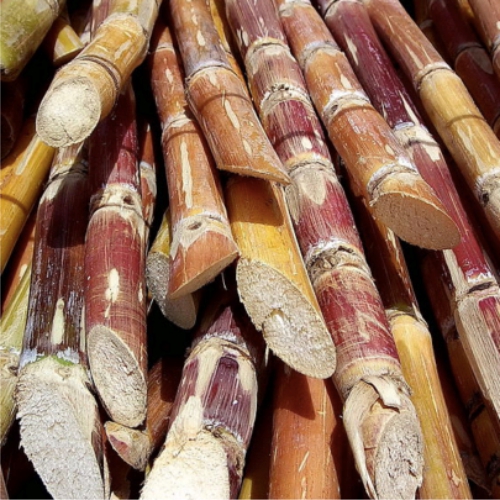
Bijnor district in Uttar Pradesh is making new records in sugar recovery and has become famous by adopting technical farming. Technical farming can increase sugarcane production and incomes by upto 3 times in same field. The agricultural practices of technical farming were difficult to apply but the cane development department has provided proper knowledge about the whole process which made farmers to do it with ease. Worth reading about the changes.

Evolving Policy on Transport and Energy sectors (pollution, indigenous clean fuel)
Changing norms, govt policy shifts and market forces will disrupt the auto and fuel sectors (and other industries) for years to come but these are needed to curb vehicular pollution, to keep abreast of advancements and for promoting new industries. Govt is framing policy for indigenously-sourced, clean fuels for Indian roads (ethanol, CNG, electric), airways (butane) and waterways (methanol).Improved BS-VI norms
1. BS-VI fuel will be the standard, specified transport fuel across India, to severely curtail the high concentrations of harmful emissions (SOx, NOx, particulates) in major cities, and other places with intense car use. Delhi became the first city to receive BS-VI fuel.
Ethanol as transport fuel
2. India is poised to ramp up the use of ethanol & methanol as transport fuel to dent the Rs 7 lakh cr spent on fossil-fuel imports. Ethanol economy will grow from Rs 11,000cr to Rs 20,000cr in CY, and there is enough feedstuff to perhaps scale it upto Rs 200,000cr! Minister says all technologies are available in the country. Crops used for sourcing ethanol are as follows: 1G ethanol (sugarcane molasses- byproduct), 2G ethanol (sugarcane juice- food), 3G ethanol (biomass-crop waste).
3. Ethanol, beyond the 20% outer limit for blending in regular fuel, can be promoted with 100% ethanol vehicles. Minister mentioned that flex-fuel engines (sold in Brazil, US & Canada) can use regular fuel or 100% ethanol, making them ideal for early adopters. He thanked TVS for introducing 100% ethanol bikes and said ethanol pumps will soon be permitted by the oil ministry. Transport ministry has finalised vehicle emission norms for alternative fuels.
4. Bio-butane is made from sugarcane juice (ethanol?) and is used in the West as aviation fuel. (As such Boeing, Airbus are qualified to use butane). It costs the same as regular aviation fuel (~Rs60/- litre) but its higher energy density (100:70) makes it 30% cheaper per unit energy. Also, lower loading of butane in aircraft requires less fuel to carry it. Minister says that savings of butane can help India's struggling aviation sector.
Bio-degradable plastic from ethanol
5. Bioethanol can make bio-degradable plastic, which is environmentally safer than petroleum-derived plastic. Ethanol for making plastic is imported from Brazil.
Surplus sugar and supply-side benefits
6. lndia is producing so much surplus sugar (NB. 3rd estimate 2018/19 of sugarcane production is 400mt up from 300-350mt, mainly due to higher UP yields) that India gives Rs 450cr (or 900/-tonne) subsidy to export 5m tonnes of sugar.
7. Minister says there will be good domestic & international demand for butane, so India should promptly open 10-15 butane refineries in sugarcane producing states. This can dispose of surplus sugar, eliminate export subsidies, save Rs 40,000cr forex, create high value-added exports, and boost the aviation sector by manufacturing cheap, homegrown aviation fuel.
8. Surplus agricultural capacity can be diverted to making ethanol feedstuff and farmers will earn more because sugarcane which has a high value/ha. Drip irrigation will allow much higher sugarcane plantations with existing water resource, and new high yield varieties can boost sugarcane production. Govt reduces procurement, storage and disposal costs. Rural industries and economy will be benefited, thereby providing rural employment, lower imports and boost India's GDP. Minister adds, "there is no pollution in ethanol"!
9. "Diversion of sugarcane juice to ethanol can be a long term solution to the industry woes and can pave the way for a profitable and sustainable industry taking care of all its stakeholders – growers, sugar mills, technology providers and consumers," says President of STAI at the 77th Annual Convention & International Sugar Expo.
Subscribe to:
Comments (Atom)