Gati Shakti initiatives
— "Ministries are using Gati Skati national masterplan to develop project alignments. Gati Skati brings to the table, the power of technology and government working together." link
— "In Railways, last mile connectivity is a major cause of high freight costs, and in telecoms, work is held up by messy Rights of Way conflicts with States. Now States are fully engaged and we are plugging connectivity gaps in a comprehensive way." link
"As against our plan to meet once a month, Network Planning group has held 29 meetings in July 2022! Earlier only heads of planning depts of 7 ministries were involved, now we have 30 ministries constantly in touch with each other."
~ ~ ~ ~ ~
• GS helps identify opportunities for multimodal connectivity, and gaps in connectivity [eg. 4-lane connectivity to all districts] or infrastructure [eg. emergency helipads, suitable hospitals]. It helps avoid built-up areas (or, land acquisition problems) and minimises hazards like wide river crossings, forests, wildlife sanctuary, etc. GS identifies many other ways to optimise [eg. lay utilities/ pipelines under roads, solar panels over canals/ dams, and use of existing RoW (right of way) permits], and these can be taken up expeditiously by respective departments.
One way to optimise is to plan for expected future growth, eg. with higher initial land acquistion, wider base construction [eg. wider bridges, wider road foundations], multi-level flyovers in cities [6-lane elevated road and overhead metro], space for HSR near/ over new expressways, and higher capacities of pipelines, transmission lines and telecom OFC.
For example, NHAI officials held a conference to digitally draft alignments of 5 expressways at the pre-feasibility stage. They chose the Gati Skati masterplan tool: Gati Shakti helps draw an alignment in a matter of days rather than 3-4 months, and inter-departmental clearances (eg. forest) can be obtained online.
For example, Power ministry set out to develop transmission corridors for 6 states—Raj, Guj, MP, Maha, Kar, and TN— with the highest potential for renewable energy. 9 major transmission projects were identified with Gati Skati tool & mapped on the National Master Plan (NMP) portal. Most existing and under-construction transmission projects were integrated and others were finalised after route surveys by respective developers.
For example, Railways is tasked to increase freight capacity to 3 billion tonnes (2021 freight carried was just 1.23bt), as well as eliminate bottlenecks [eg. at highly congested or overused routes] and increase cost-efficiency. It must also create sufficient rail capacity to ensure quick transport of agri products (eg foodgrains) to the hinterland. Gati Shakti tool has already identified 3 routes and work has started on 1 doubling project (Rs 1120cr).

• Since April 2022, finance ministry mandates all public projects over Rs 500 crore to set out details of logistics and infrastructure connectivity. So, all public-funded projects will be examined by an inter-ministerial body under the PM GatiShakti [Network Planning Group].
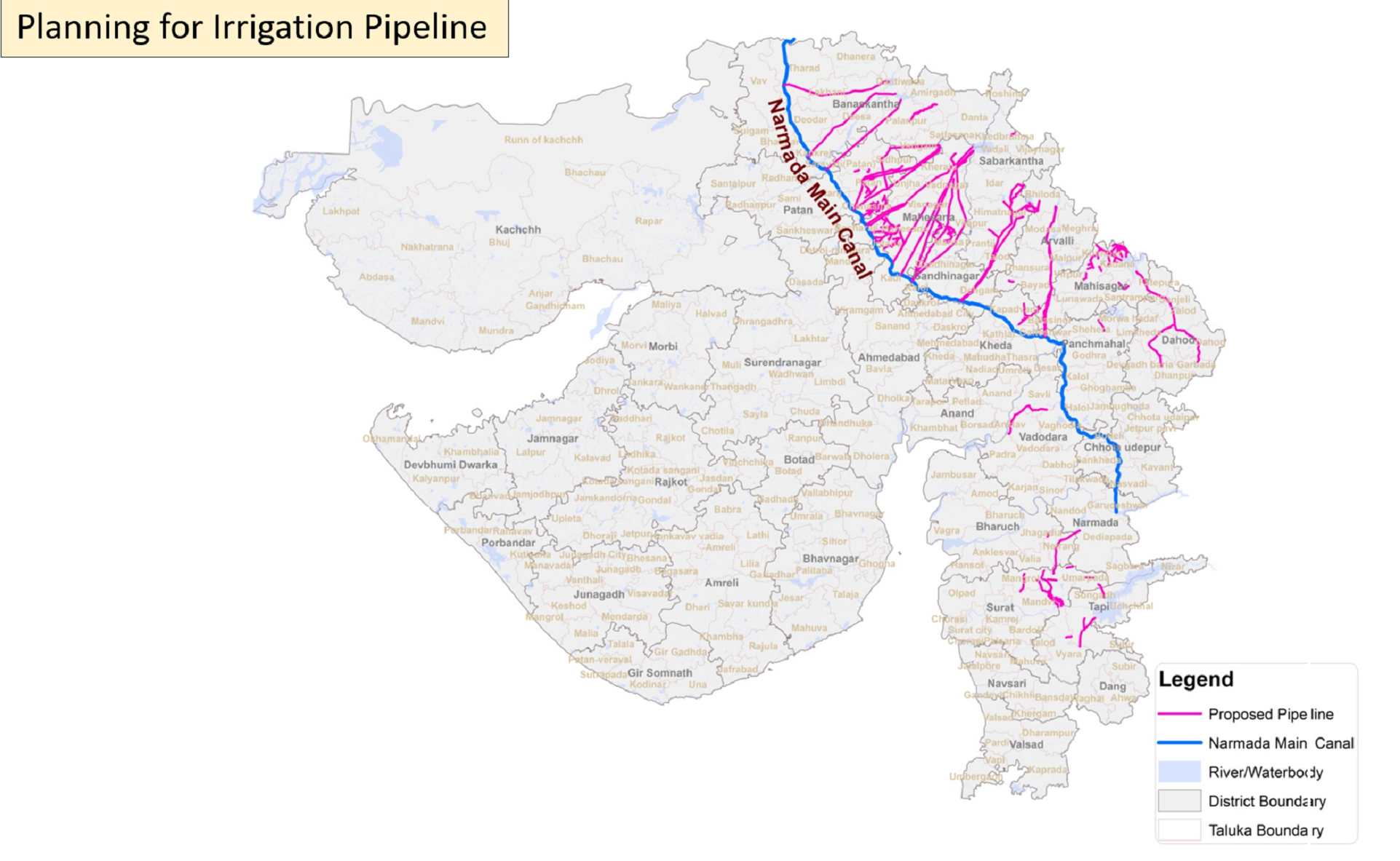
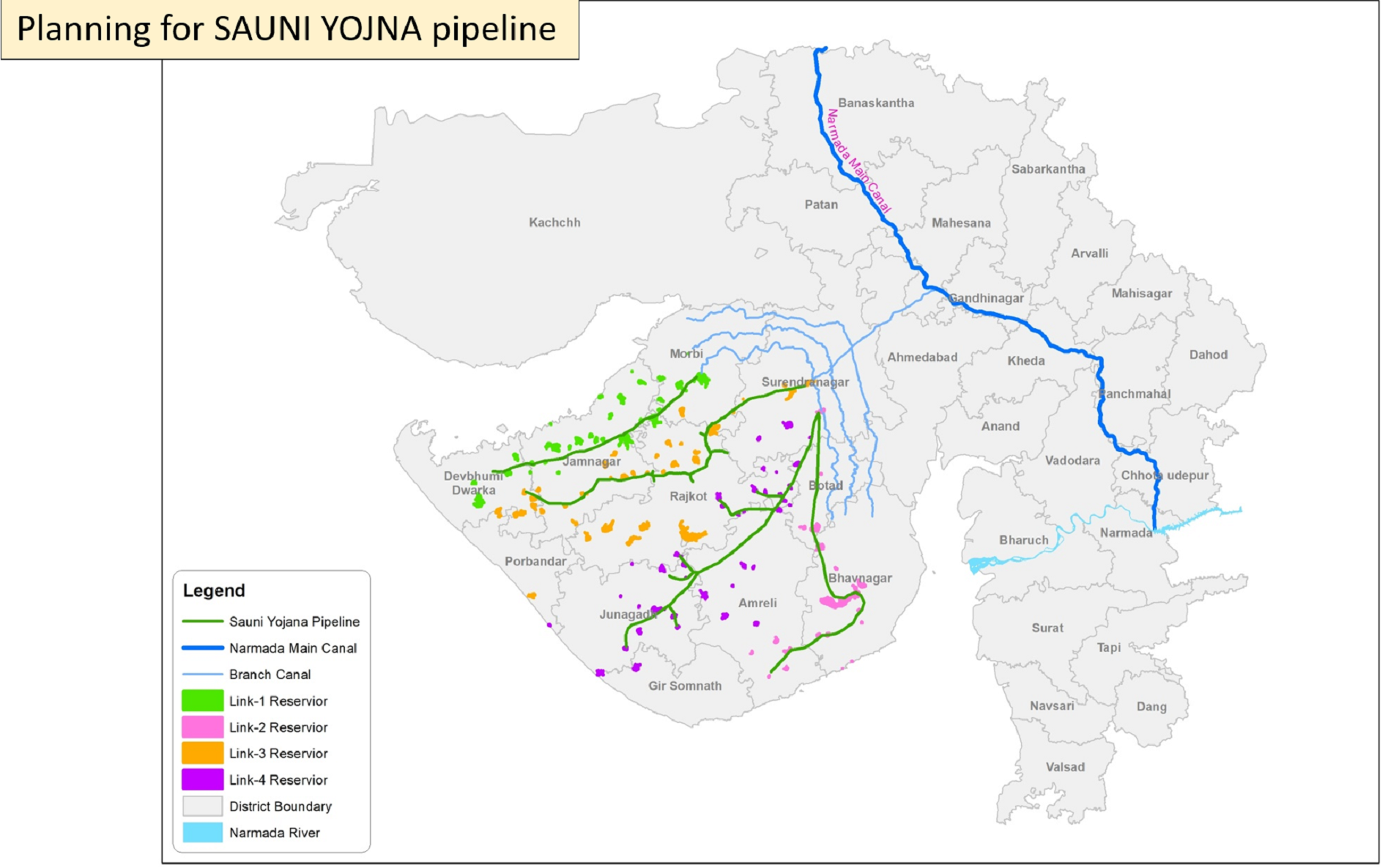
Scientific approach was adopted by CM Modi whereby he used satellite technology to form a holistic map of the landmass, with details such as road and rail network, administrative boundaries, slope, type of soil, land-use, geology, landform, forest details, sanctuary and national park, etc. Every square centimeter of land (particularly water bodies), private and public infrastructure was mapped.