India's
Face Recognition program
═════════════════════════India has a small police force for its population size, and that is not likely to change. Conviction rates of crimes are low, pre-trial imprisonments are high, courts are swamped and justice delayed - mostly because of lack of corroborating evidence and proper records, and improper police investigations. Face recognition program is a game-changer for all concerned - police, courts, harassed victims, remand prisoners, conviction rates, and crime rates. It helps to identify suspects and witnesses (early in the investigation), accurately document facts and serves as a check before going to court.
Face recognition helps to identify antecedents (ie. go back in time and trace contacts with people under suspicion, all the while keeping it under wraps), and catch hidden hands or key participants in crimes. Agencies can suo moto broaden the investigation by looking at activities of incriminated people and organisations.
Face recognition (and its follow-up) will make criminals switch to faceless contacts (ie "dark web" or hidden internet). To counter this, agencies must simultaneously enhance their cybercrimes departments.
With artificial intelligence's ability to scrutinise data for shapes and suspicious activities, and the tremendous growth in CCTV cameras - eg. via smart cities mission & private security cameras - India has a surfeit of pictorial data waiting to be collated. Data must be tightly shared and secured using blockchain. Once the data is analysed and a central database is compiled, including IDs of all known offenders, it is possible to monitor activities of people under suspicion and identify random people in crime scenes.
India sees outbreaks of mob violence, often aided and abetted by the unseen agent provocateurs, that is not properly dealt with by law enforcement. If unscrupulous state governments are involved, they get away with it because they can compromise police actions, evidence, investigations, and prosecutions. Other anti-social elements can hide behind anonymous people, and even if these trouble-makers are arrested, it does not lead to actionable evidence against the masterminds.
Face recognition with AI can quickly identify regular participants and probable ring-leaders in mobs; and it can trace probable agent-provocateurs through mutual contacts & communications, without needing local police co-operation to any great extent.
National security imperatives regarding internal security like movements of foreign agents, border security like illegal immigration, and transnational crimes like smuggling & human trafficking, can be tackled through tracking and monitoring. Over time, security agencies should be able to anticipate threats that amount to acts of terrorism and take actions like protective custody, arrests, deportations and liquidations in encounters.
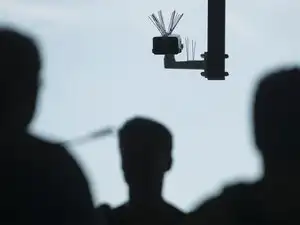
India is planning a huge facial recognition program to help the police force

No comments:
Post a Comment