Municipal and sewage waste for biogas or energy, has merit because waste has already been collected and treatment prevents toxic damage to the environment, eg. ground-water & rivers affected by heavy metals, pathogens, etc (see link 1).
Converting of agricultural waste into a resource: UN publication (see link 2)
+ Agricultural waste burned or let to rot, causes pollution but treated properly gives valuable materials and energy. Govt is impelled to commercialise the waste so it brings benefits to farmers and the general economy.
+ Globally, AW of 150b tons/yr is produced, equivalent to 50b tons of oil!! For India, AW can substantially or completely displace fossil fuels.
+AW from cellulose, is widely available at virtually zero cost; has attractive potentials for industrial and community enterprises; is extra income to farmers. Bad practices leading to pollution must be stopped and AW made available for industry or community firms
+ AW can be converted to 1) Energy: fuels, gas, electricity, steam, 2) Materials: animal feed, fertiliser, textiles, paper, packaging, construction boards, industrial chemicals, etc
AW conversion technologies are evolving or not fully tested across a variety of biomass or in all settings. Each technology has a description and impact assessments data. Screening of technologies for local implementation is done. It assesses crops and residues, sought-for end-product, barriers to techs and other local issues. India will need detailed pilots: experiment with a variety of common biomass; flexibility to use local feeds; right capacity & viability; and social acceptance.
Three processes for cellulose AW to fuel conversion:
Tech in pilots or ready for exploitation -
1. Thermochemical: AW or mixed waste -> Methanol
2. Thermochemical (pyrolysis): AW -> Synthetic oils or Biocrude
Coming out of R& D or in pilots -
3. Aerobic Biochemical: Wood waste, rice/corn straw -> Ethanol
Methanol based fuels:
1. Methanol blends well with petrol and burns without soot.
2. Dimethyl Ether is clean, non-smoky alternative to diesel (see link 3). It can be processed from methanol or biomass. It's a bulk fuel with half the energy density of diesel (see link 4). NITI has assessed thermochemical methanol is the choice tech for India. Methanol is the next-gen vehicle fuel!!
Methanol is easy to manufacture, store and handle; versatile as a fuel; raw material for synthetic hydrocarbons; clean and sustainable. (see link 4). It is poisonous to humans. Industry can grow out of methanol.
Huge amounts being sourced and used locally in rural areas will generate farming income, industrial jobs, infra and wealth (see link 5). Equipment specifically designed to run on methanol will promote a dependence on methanol. Methanol economy is ideal for India's less developed, less sophisticated rural areas. Studies should be done to establish all impacts, sizing and location of operations, distribution and allied industries. Plan to implement on a massive scale.
Resource:
http://www.indiaenergy.gov.in/default.php
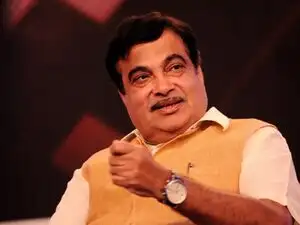
India will soon be zero petroleum import country: Gadkari

2 comments:
1.
http://water.usgs.gov/edu/groundwater-contaminants.html
2.
UN publication:
http://www.unep.org/ietc/Portals/136/Publications/Waste%20Management/WasteAgriculturalBiomassEST_Compendium.pdf
3.
http://economictimes.indiatimes.com/industry/energy/oil-gas/nitin-gadkari-pushes-for-leapfrogging-into-methanol-economy/articleshow/54274445.cms
4.
http://www.afdc.energy.gov/fuels/emerging_dme.html
5.
http://pib.nic.in/newsite/PrintRelease.aspx?relid=149572
Shri Gadkari: Methanol is the Future for the Country
indiaenergy.gov.in - India Energy Security Scenarios
http://www.indiaenergy.gov.in/default.php
Post a Comment